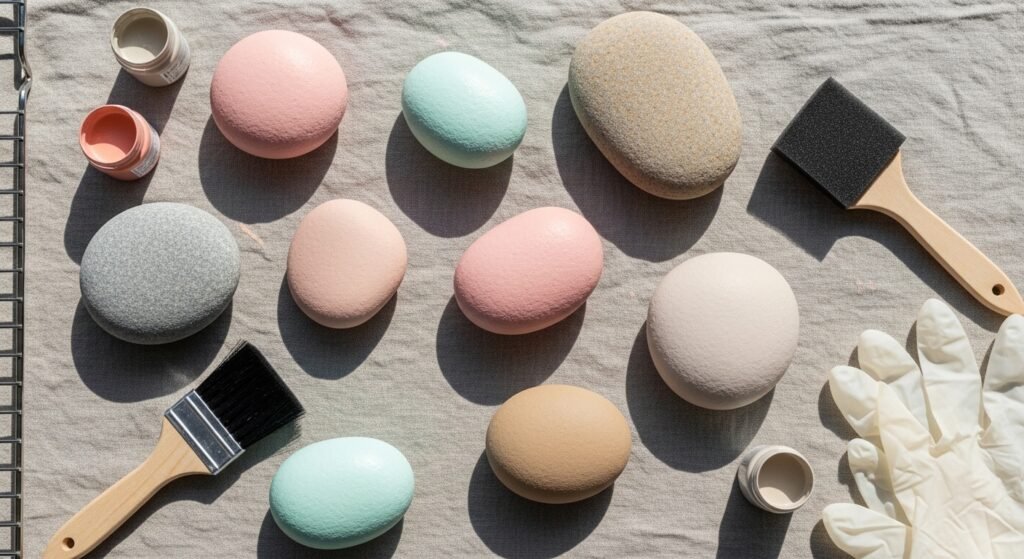
You painted a stack of cheerful rocks for your garden, but they’re already chipping or fading after a few rains. If you want a durable weatherproof glossy finish that still looks hand-painted, you’ll need the right sealing method and a few simple tricks. This guide shows how to seal painted stones so they resist sun, rain, and wear and keep a glossy shine.
The fastest fix is a brush-on outdoor sealer or a couple of light spray coats; for top-tier gloss, epoxy resin is the long-game option. I often reach for Mod Podge Outdoor Gloss for beginner projects and a pack of foam brushes for even application. Read on for step-by-step timing, pro tips, and what to use when you want ultra-gloss versus quick weatherproofing.
Gathering and prepping your materials (beginner-friendly setup)
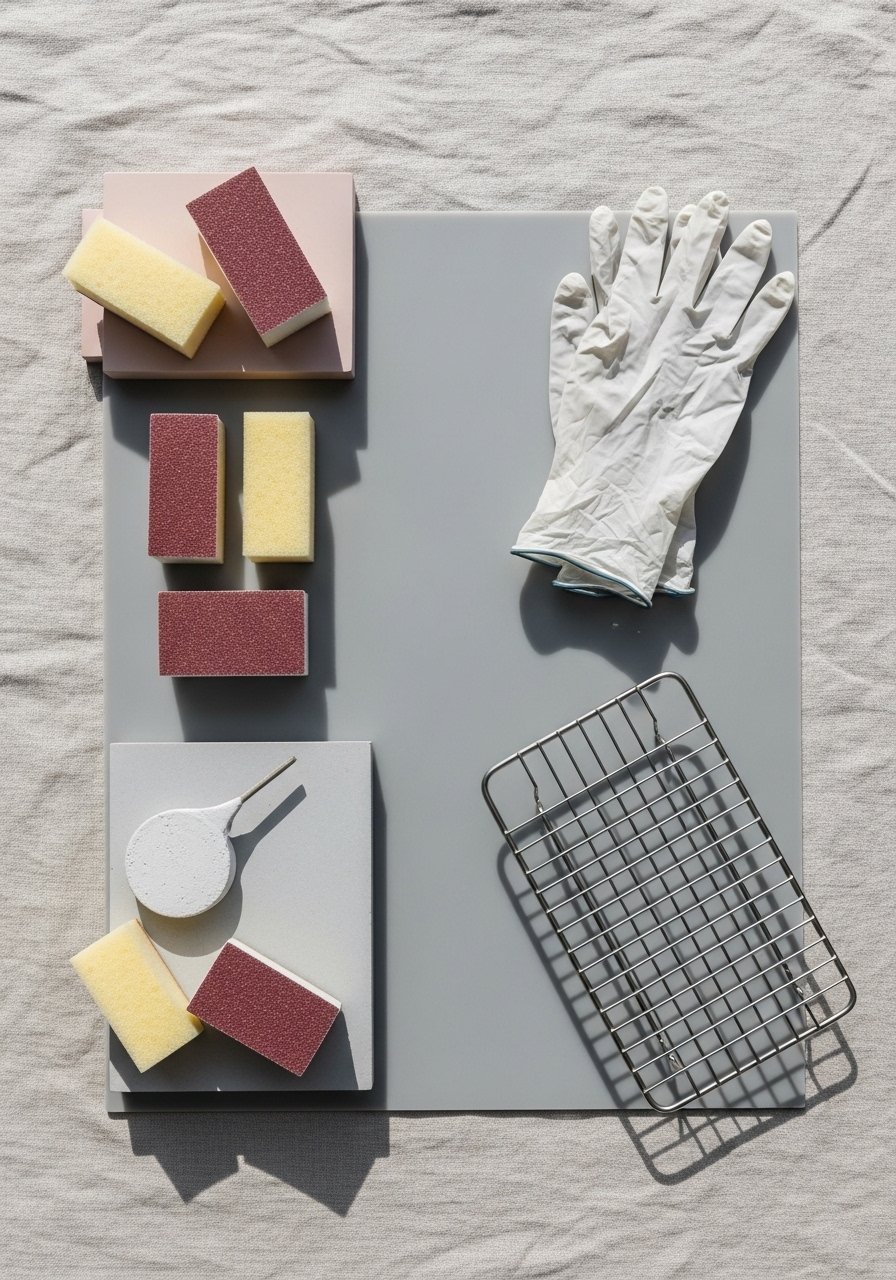
Start by prepping the work area and stones — this step saves time and avoids sticky mistakes. Lightly sand painted areas with a fine-grit sanding sponge to remove dust and give paint a tooth for adhesion. Wipe with a damp cloth and let dry fully (about 15–30 minutes depending on humidity).
- Protect surfaces with a silicone craft mat.
- Keep finished stones off the table by placing them on a wire cooling rack.
- Wear nitrile gloves for epoxy or solvent-based sprays.
This prep makes it easier to seal painted stones without drips, pooling, or dust blemishes.
Brush-on sealers: easy, weatherproof, beginner-friendly
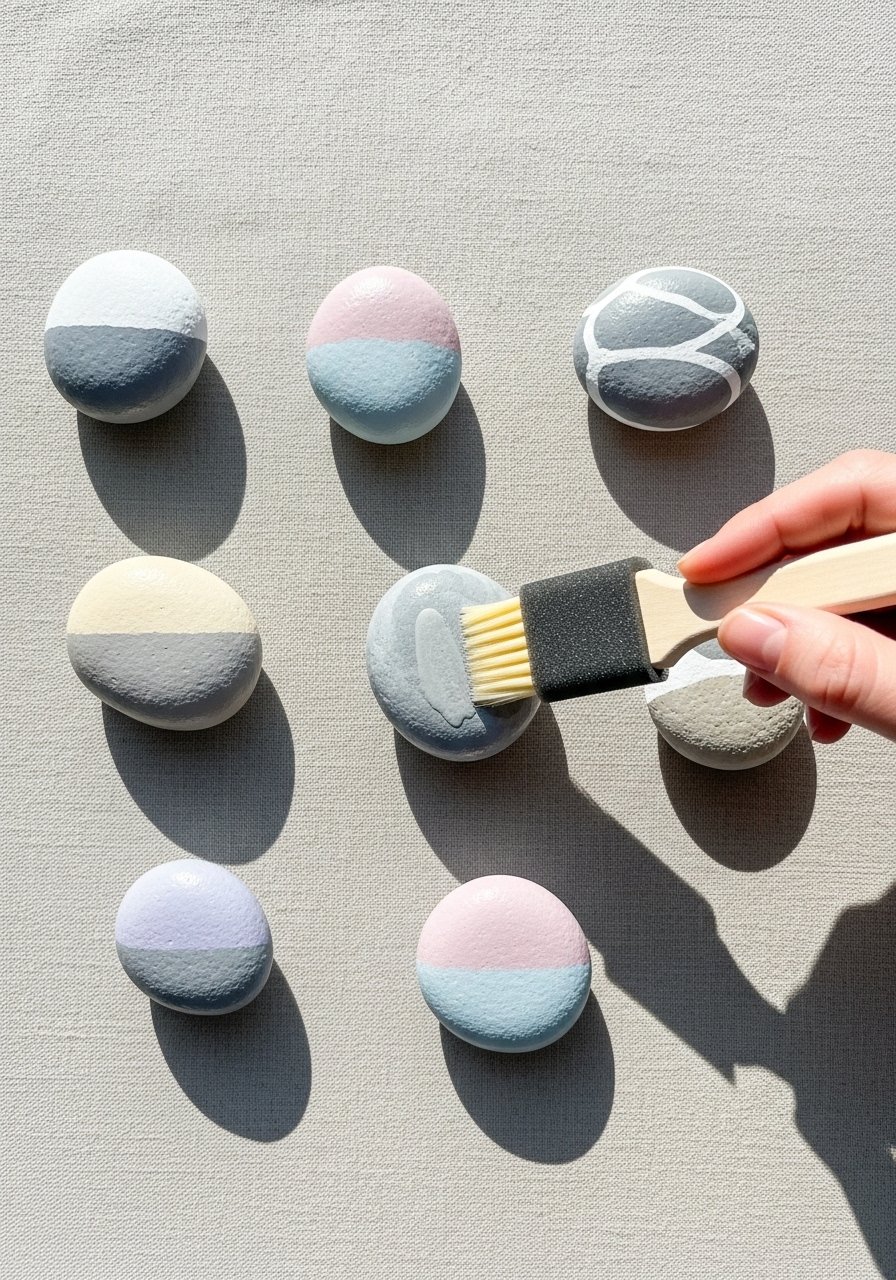
For an easy, beginner-friendly way to seal painted stones, use a water-based outdoor gloss like Mod Podge Outdoor Gloss. It’s forgiving, low-odor, and dries fairly fast.
Steps:
- Apply thin, even coats with a foam brush or a fine detail paint brush set.
- Let each coat dry to the touch: 15–30 minutes. Plan 2–3 coats for full protection.
- After the last coat, allow 24 hours before outdoor placement for best durability.
Tips:
- Brush from the center outward to avoid visible strokes.
- Sand lightly with a fine-grit sponge between coats if you see rough spots.
Spray sealers: fast one-afternoon weatherproofing
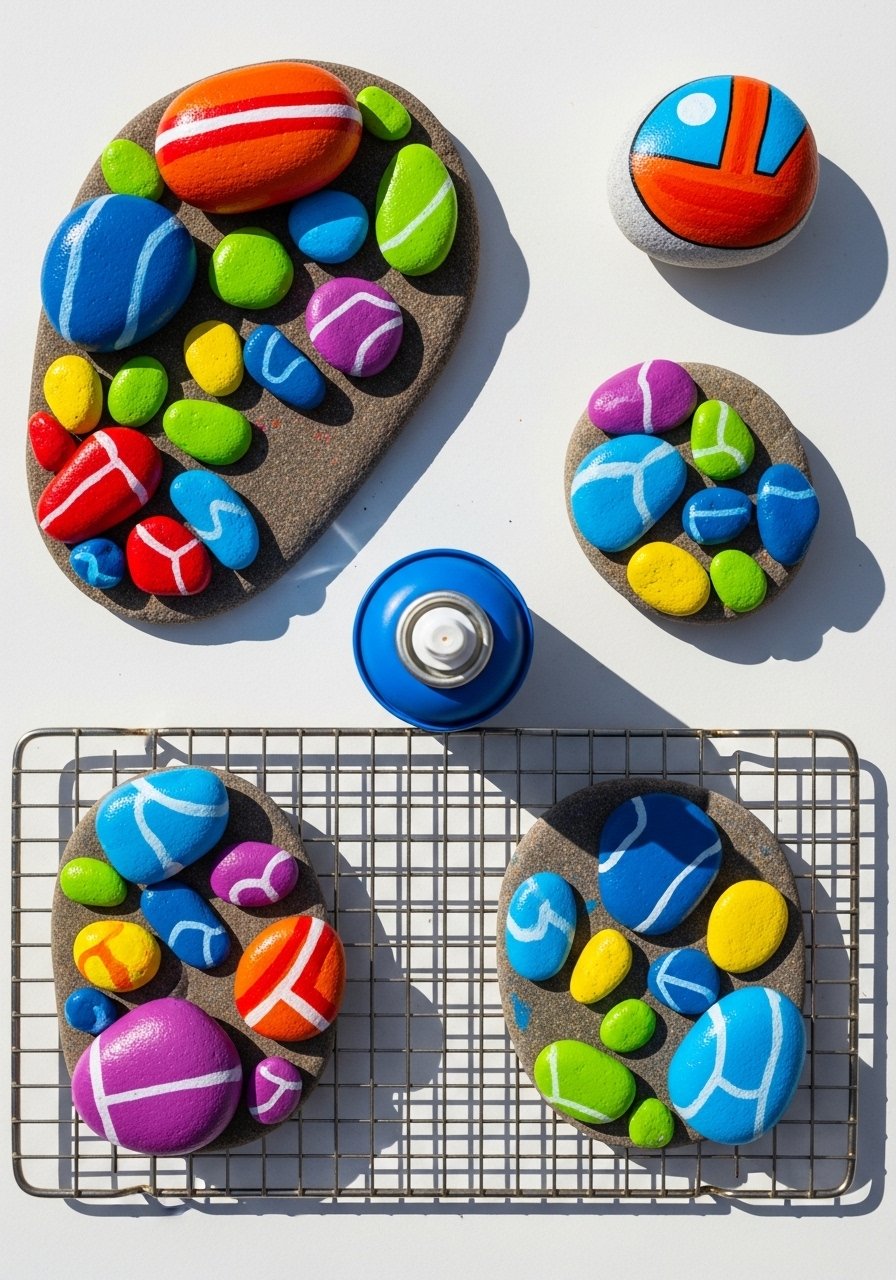
If you want a quick, even finish that’s weather-resistant, a UV-resistant clear spray works well. I use Krylon Clear Spray Gloss UV Resistant for fast one-afternoon projects.
How to:
- Work outdoors or in a well-ventilated area. Wear an N95 respirator mask.
- Spray light coats from 10–12 inches away, sweeping across in steady passes.
- Wait 10–20 minutes between coats and apply 2–3 coats. Full cure is often 24 hours.
Warnings:
- Avoid heavy single coats that cause runs.
- Test spray on an inconspicuous stone first to confirm shine level.
Epoxy resin: ultra-gloss, long-lasting finish (advanced)
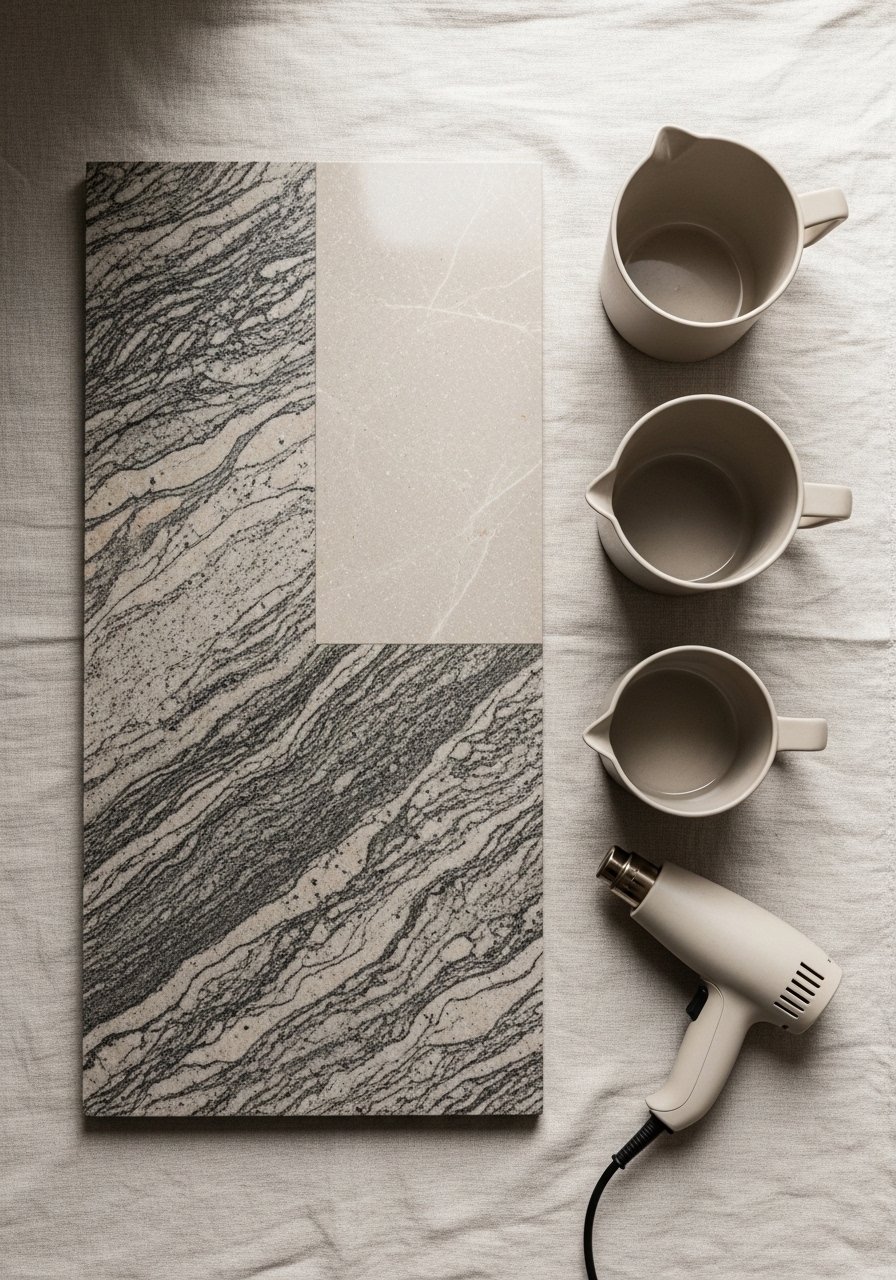
For the longest-lasting, glass-like finish you can use epoxy resin. This gives museum-quality gloss and excellent weatherproofing, but it’s a bit more work.
Steps:
- Mix an epoxy resin kit in accurate proportions using silicone mixing cups and stir sticks.
- Pour a thin coat, spread gently, and pop bubbles with a mini heat gun or a low setting on a small torch.
- Cure times vary: tack-free in 8–12 hours, full cure 24–72 hours depending on the resin. One coat usually suffices, but you can add a second coat after 12–24 hours if needed.
Pro tricks:
- Use a raised drying rack and a silicone mat under it to catch drips.
- Mix only what you can pour within the resin’s pot life to avoid waste.
Finish your stones based on how they’ll be used. For heavy garden traffic, epoxy provides the most durable glossy protection. For small accent stones, a spray or Mod Podge finish is faster and still weatherproof.

Congratulations — you’ve learned how to seal painted stones for both quick weatherproofing and long-term glossy protection. Try a brush-on sealer for beginner-friendly projects, a spray for same-day results, or epoxy when you want a glass-smooth, outdoor-proof finish. Pin this guide for your next craft afternoon and share with a friend who paints rocks. Which method will you try first — quick spray or full epoxy shine?