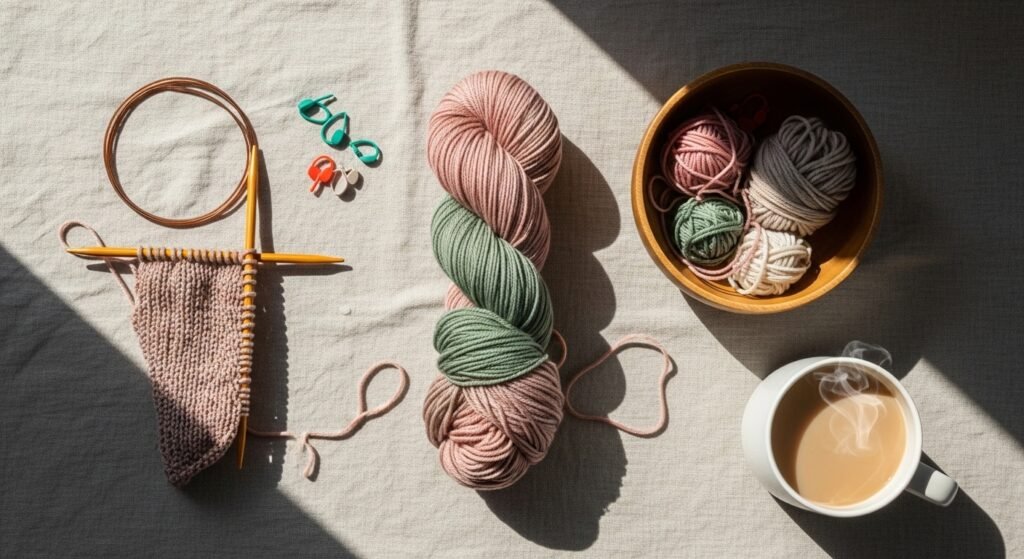
You’re ready to try something hands-on but don’t know where to begin. Learning How to Start Knitting for Beginners can feel overwhelming when you see complicated patterns and long lists of tools. The good news: you only need a handful of friendly supplies and a tiny time commitment to make something beautiful right away.
Start small—pick a quick one-afternoon project like a garter-stitch cowl or a simple scarf and use bulky yarn with large needles. I recommend a soft worsted-weight yarn or a bulky yarn starter pack plus an 8mm circular knitting needles to get nice results fast.
You’ll learn how to gather and prep your materials, master the two core stitches, finish like a pro, and store or gift your new pieces. Expect to finish a simple cowl in 2–4 hours with bulky yarn; a scarf in 4–8 hours using worsted yarn.
Gather and prep your materials (beginner-friendly, budget options)
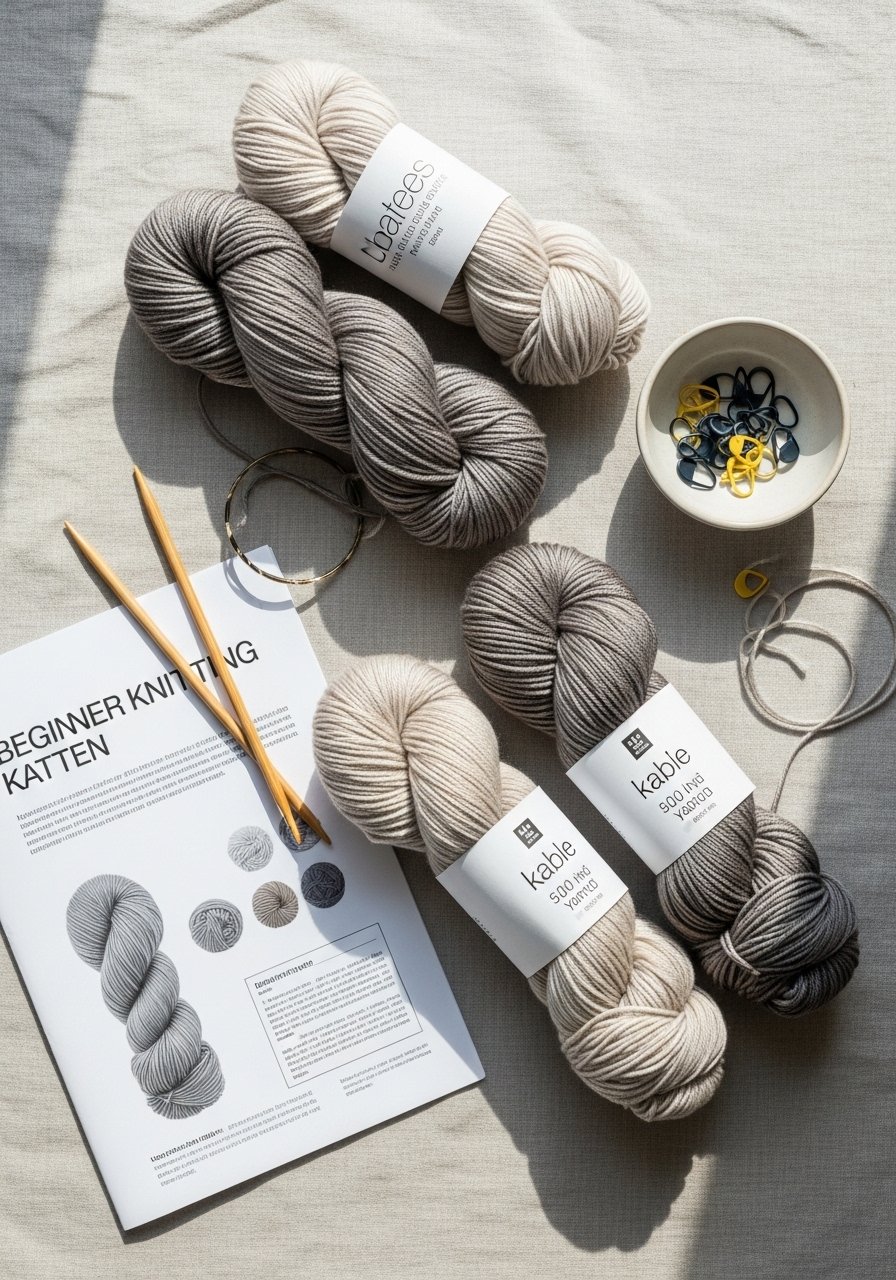
Before you start casting on, set up a tidy workspace and pick forgiving tools. Chunky or worsted yarn is easier for beginners because stitches are big and mistakes show up clearly.
- Choose one skein of bulky yarn for a one-afternoon cowl, or 300–400 yards of worsted for a full scarf. Try soft worsted-weight yarn.
- Use a beginner knitting needle set with circular needles in sizes 8mm (US 11) or 6mm (US 10).
- Grab stitch markers and a yarn swift and ball winder if you buy hanks.
Prep tips:
- Wind your yarn into a center-pull ball to avoid tangles.
- Place your project on a flat surface with a small craft organizer tray to keep tools visible.
Master the core technique: cast on, knit, purl, bind off
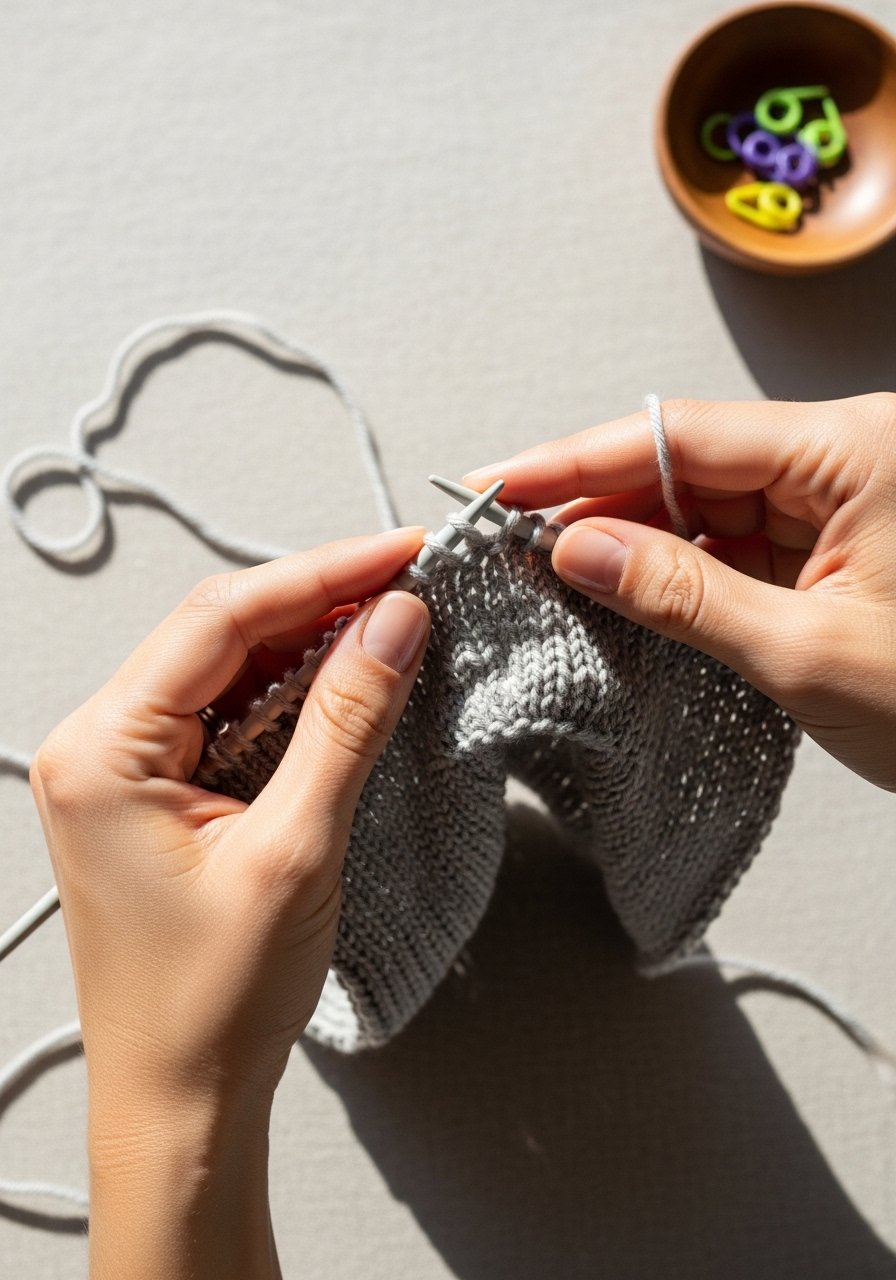
How to Start Knitting for Beginners really comes down to learning a few motions and repeating them.
- Learn the long-tail cast-on (gives a stretchy edge).
- Practice the knit stitch and the purl stitch—they form every pattern you’ll want.
- Finish with a simple bind-off.
Step-by-step practice:
- Cast on 20–40 stitches for a cowl sample. Larger needles and bulky yarn will show progress quickly.
- Knit every row (garter stitch) for a first piece — it’s beginner-friendly and totally no-fuss.
- If your pattern calls for a row count, use a mechanical row counter to avoid losing your place.
Pro tips:
- Use a gauge ruler to check tension: aim for the pattern’s stitches per 4 inches (10 cm).
- If stitches slip, switch to needles with a slightly rougher finish like bamboo or wood in your needle set.
Finish cleanly and fix common mistakes
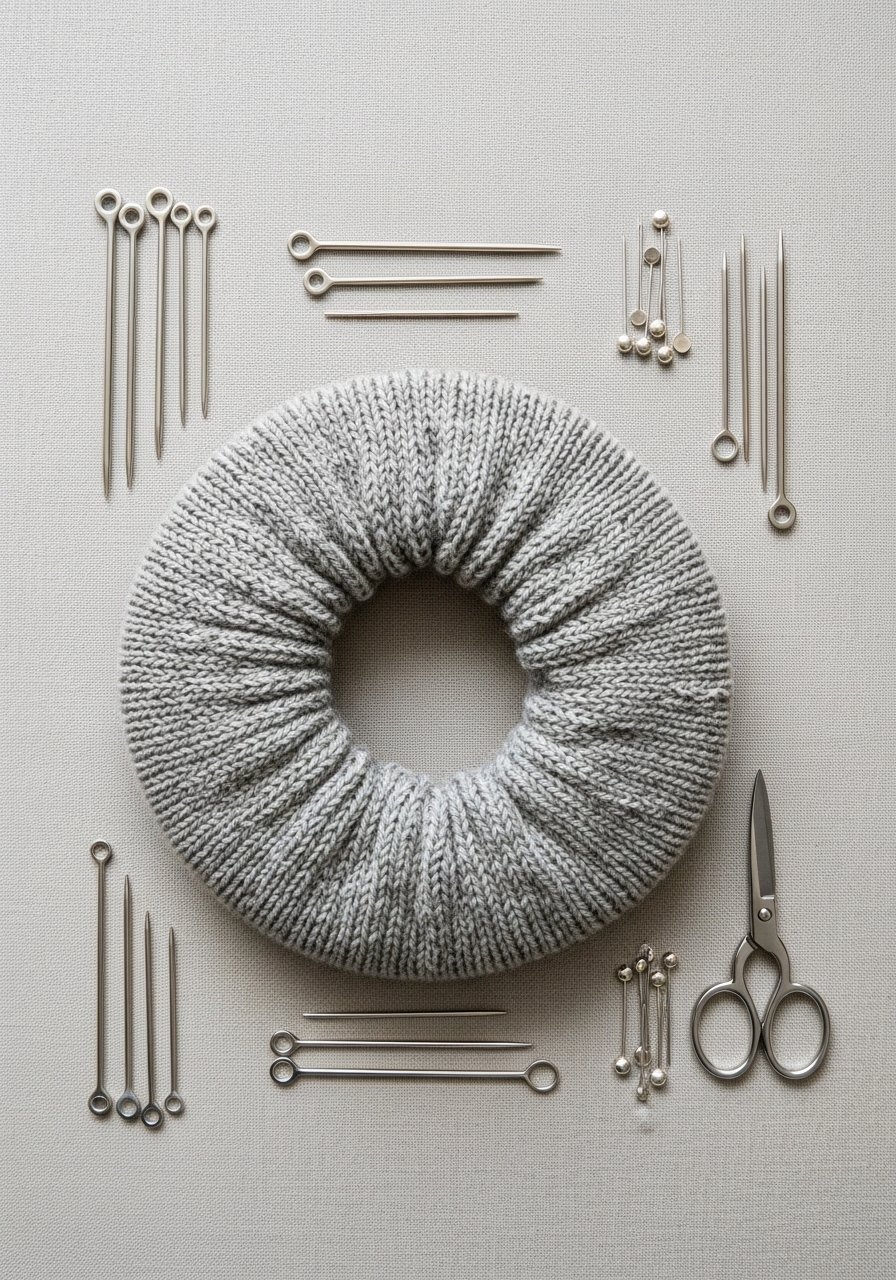
Neat finishing makes your first knits look polished.
- Weave in ends with a clear tapestry needles set for invisible joins.
- Block your piece on blocking mats and pins, then let it dry flat 12–24 hours for stable shaping.
- Keep a pair of sharp craft scissors handy for trimming ends.
Troubleshooting:
- Dropped stitches: pick them up with a crochet hook or a spare needle from your set.
- Uneven edges: try a looser cast-on or a slightly larger needle for the first row.
Display, gift, and store your handmade pieces
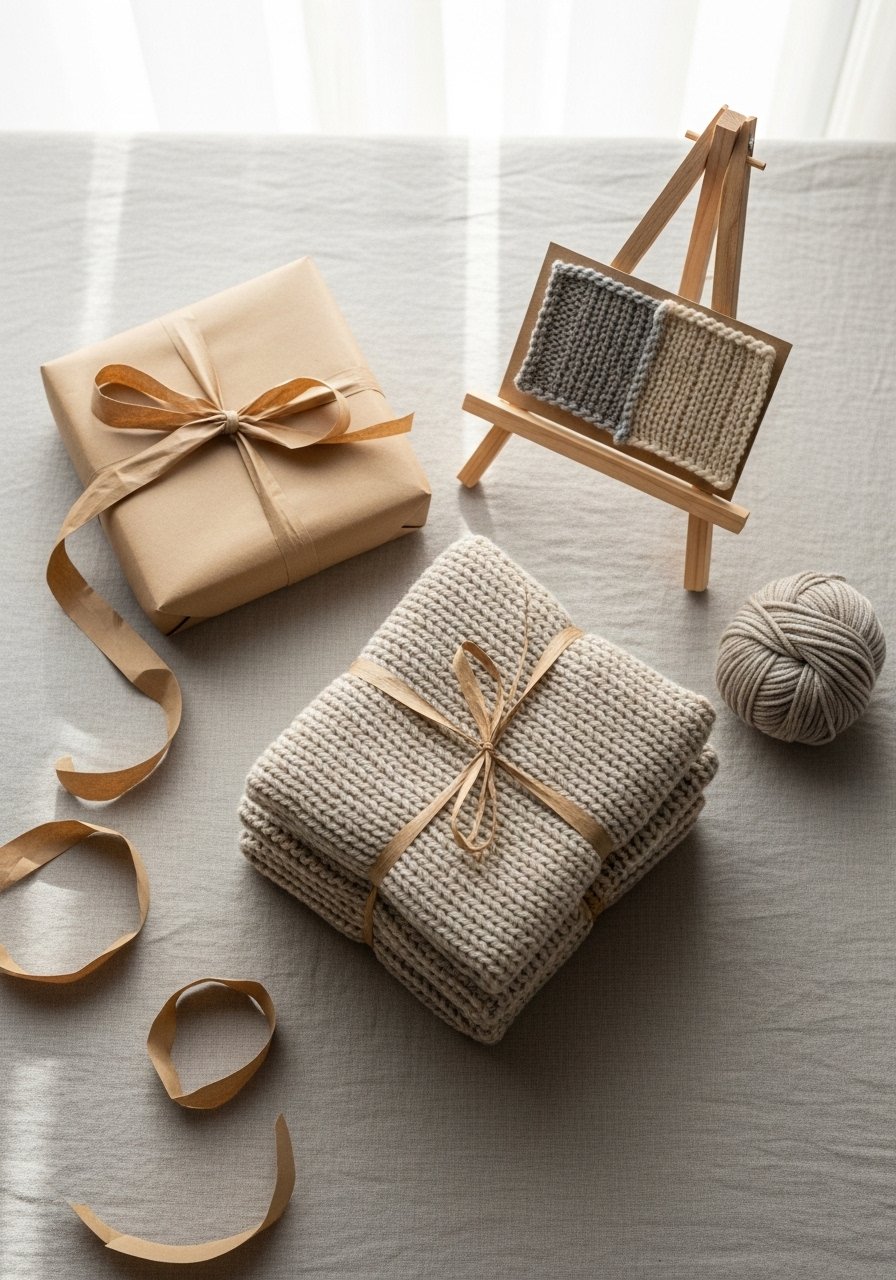
Once you’ve made a few pieces, keep them organized and gift-ready.
- Wind finished skeins and store them in clear zip pouches for easy color sorting.
- Use stackable craft organizer trays to separate active projects.
- For gifting, tuck small knits into kraft boxes and add a handwritten note.
Variations to try:
- Switch yarn colors every 10 rows for a striped scarf.
- Try smaller needles and finer yarn for a lacy cowl once you’re comfortable.
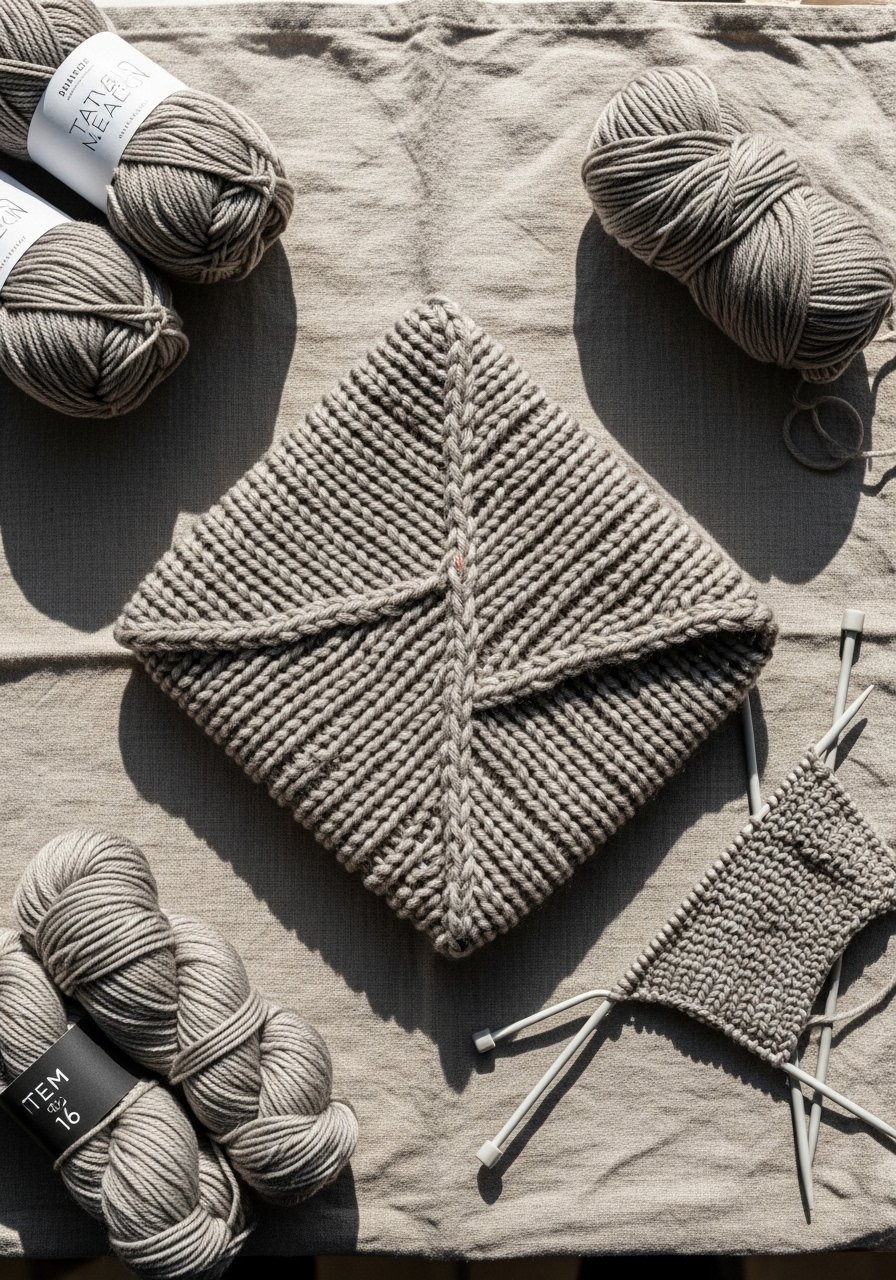
Knitting is one of those hobbies that rewards tiny steady practice with beautiful results. Now that you know How to Start Knitting for Beginners, pick a yarn, grab your needles, and cast on. Pin this guide for your next craft afternoon and share with a friend who wants a beginner-friendly, one-afternoon win. If you’re choosing one tool to keep, a reliable pair of circular needles from your beginner knitting needle set will serve you for many simple projects—ready to make your first cozy?